Introduction
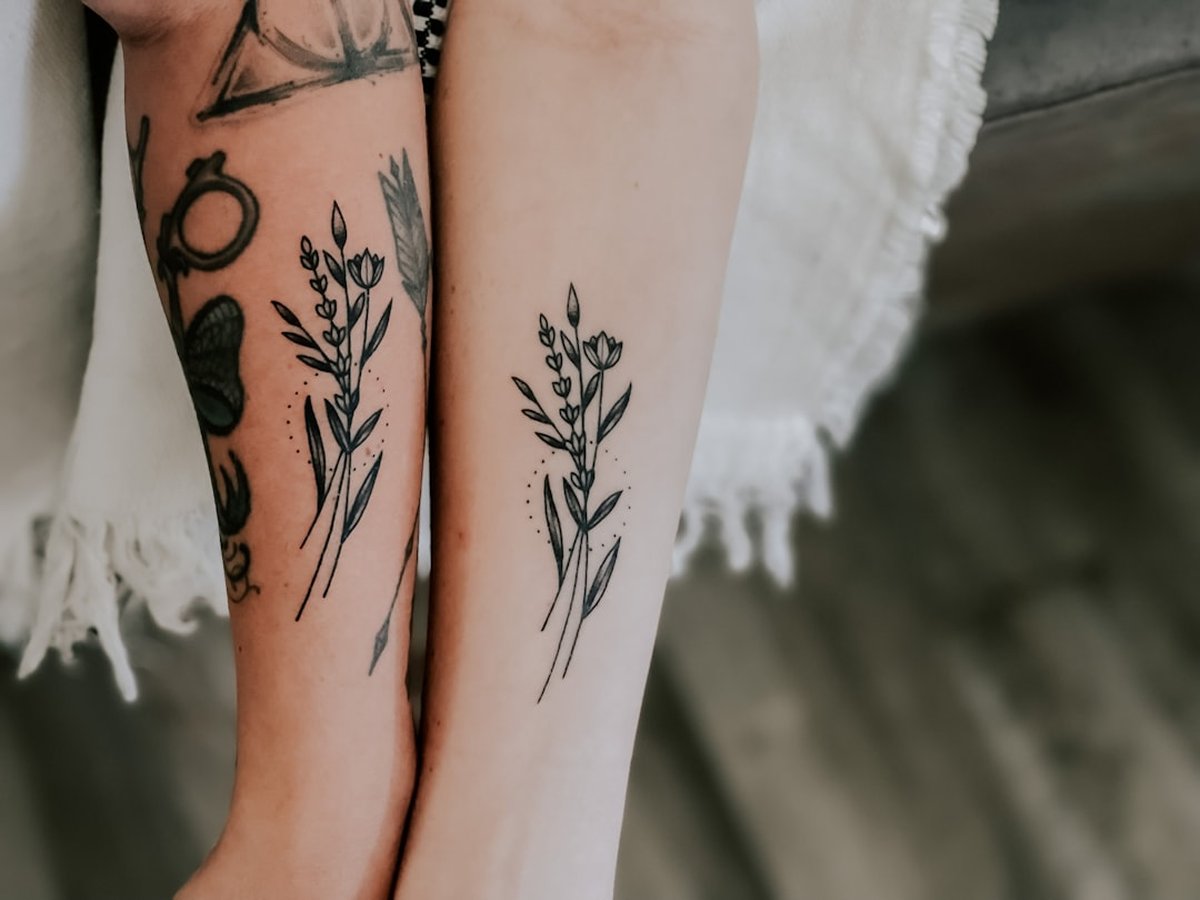
So you've been scrolling through Instagram, saving delicate botanical designs and wispy script tattoos that look like they were drawn with a single strand of silk. Welcome to the world of fine line tattoos—one of the most sought-after styles in modern tattooing.
If you're considering a fine line piece for your first (or next) tattoo, you're in the right place. This guide will walk you through everything you need to know before sitting in that chair, from understanding what makes these tattoos unique to finding an artist who can execute your vision flawlessly.
We'll also address some hard truths about fine line work that many beginners don't hear until it's too late. By the end, you'll be equipped to make an informed decision and set realistic expectations for your delicate new ink.
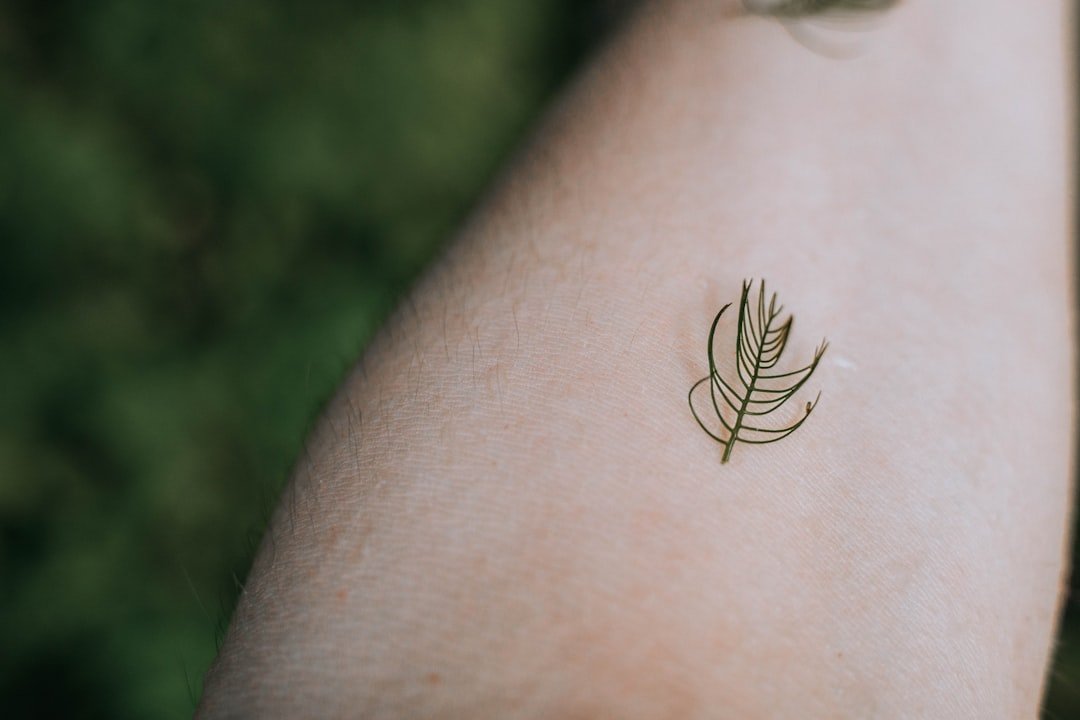
Photo by Artem Balashevsky on Unsplash
What is a Fine Line Tattoo?
A fine line tattoo is exactly what it sounds like—a tattoo created using extremely thin, delicate lines. While traditional tattoos typically use needle groupings of 7 to 14 needles, fine line work is done with single needles (1RL) or very small groupings (3RL), creating lines as thin as a mechanical pencil mark.
This technique originated in the underground tattoo scene of Los Angeles prisons, where artists worked with makeshift single-needle setups. Today, it's evolved into a refined art form embraced by high-end studios worldwide, popularized by artists like Dr. Woo and celebrated for its elegant, understated aesthetic.
Fine line tattoos can depict virtually any subject matter, but they're especially popular for:
- Botanical designs – flowers, leaves, branches
- Minimalist symbols – geometric shapes, small icons
- Script and lettering – delicate handwriting styles
- Micro-realism – tiny detailed portraits or objects
- Ornamental work – mandala-inspired patterns
- Continuous line drawings – single-stroke artistic designs
| Feature | Fine Line Tattoos | Traditional Tattoos |
|---|---|---|
| Needle Size | 1RL - 3RL (single needle) | 7RL - 14RL (grouped) |
| Line Thickness | 0.25mm - 0.5mm | 1mm - 3mm+ |
| Healing Time | 1-2 weeks surface | 2-3 weeks surface |
| Touch-up Frequency | Every 3-5 years typical | Rarely needed |
| Pain Level | Sharp, precise sensation | Broader, buzzing sensation |
| Best For | Delicate, detailed designs | Bold, graphic designs |
Why Choose Fine Line Tattoos?
Fine line tattoos have exploded in popularity for good reason. They offer a distinctly different aesthetic that appeals to people who might not resonate with traditional bold tattooing. Here's why beginners often gravitate toward this style.
- Subtle and sophisticated appearance that works in professional settings
- Less intimidating for first-time tattoo clients
- Versatile placement options including highly visible areas
- Shorter session times for smaller pieces
- Often described as less painful due to smaller needle groupings
- Photographs beautifully for social media
- Can achieve incredible detail in small spaces
- Requires more frequent touch-ups than traditional work
- More susceptible to fading and blurring over time
- Fewer artists specialize in this technique
- Not suitable for all design types or body placements
- Healing requires extra care and attention
- Higher cost per session from specialist artists
The appeal often comes down to aesthetics that feel more like jewelry than traditional tattoos. Many first-timers feel more comfortable committing to something delicate rather than bold. There's also a perception (somewhat accurate) that fine line work is easier to cover or remove if preferences change—though this shouldn't be your primary reasoning for getting any tattoo.
Getting Started with Fine Line Tattoos
Before you book that appointment, there are several important steps to take. Fine line tattoos require more research and planning than you might expect—rushing this process is one of the biggest mistakes beginners make.
-
Look specifically for portfolios showing healed work, not just fresh tattoos. Instagram is a great starting point, but don't stop there.
-
Collect 10-20 images that capture the style, line weight, and aesthetic you're drawn to. This helps communicate your vision to artists.
-
Fine line work ages differently depending on location. Areas with more friction or sun exposure will affect longevity.
-
Quality fine line artists typically charge $150-$300+ per hour. Expect to pay more for specialists.
-
Most reputable artists offer consultations before booking. Use this time to ask questions and see if you connect with the artist.
-
Have healing supplies ready before your appointment. Fine line tattoos need attentive care during recovery.
One crucial piece of advice: don't choose an artist based on price alone. Fine line tattooing requires exceptional skill—a less experienced artist might charge less, but you could end up with blowouts, uneven lines, or work that ages poorly. According to the Alliance of Professional Tattooists, selecting a properly trained artist is the most important decision you'll make in the tattooing process.
Basic Concepts Every Beginner Should Know
Understanding how fine line tattoos work will help you make better decisions and set appropriate expectations. Let's break down the fundamentals.
How Fine Line Tattooing Works
All tattoos work by depositing ink into the dermis—the second layer of skin beneath the epidermis. The needle punctures the skin rapidly (typically 50-3000 times per minute), creating tiny wounds that heal with ink particles trapped inside.
With fine line work, the single needle creates much smaller puncture points closer together. This requires exceptional precision from the artist—the needle must penetrate to exactly the right depth. Too shallow, and the ink won't stay. Too deep, and you get "blowouts" where ink spreads beneath the skin, causing blurry lines.
Understanding Ink Migration
Here's something many beginners don't realize: all tattoos spread slightly over time. This is called ink migration, and it's a natural biological process. Your body treats tattoo ink as a foreign substance, and immune cells gradually break down and disperse the pigment particles.
With traditional bold lines, this spreading is barely noticeable. With fine lines, it's more apparent because you're starting with such thin lines. A crisp 0.3mm line might become a softer 0.6mm line over several years—still beautiful, but different from day one.
The Role of Skin Type
Your skin plays a significant role in how fine line tattoos heal and age. Factors include:
- Skin tone – Fine lines show up best on lighter skin tones. On darker skin, very thin lines may be harder to see or may require slightly thicker execution.
- Skin texture – Smooth, younger skin holds fine detail better. Textured or mature skin may not retain the crispest lines.
- Oiliness – Very oily skin can cause ink to spread more during healing.
- Scarring – Scar tissue holds ink differently and may not be ideal for fine line work.
A skilled artist will assess your skin during consultation and advise whether fine line work is suitable for your specific situation.
Common Beginner Mistakes to Avoid
Learning from others' missteps can save you significant regret. Here are the most common mistakes first-timers make with fine line tattoos.
Mistake #1: Choosing the Wrong Artist
This cannot be overstated. Fine line tattooing is technically demanding. Many talented traditional tattoo artists struggle with single-needle work because it requires completely different hand pressure, speed, and technique. Always look for artists who specialize in fine line work and can show you healed results, not just fresh photos.
Mistake #2: Ignoring Placement Advice
Certain body areas are notorious for causing fine line tattoos to blur or fade quickly. Fingers, palms, feet, and areas with lots of friction or sun exposure are challenging for any tattoo but especially problematic for delicate work. If an experienced artist advises against your chosen placement, listen to them.
Mistake #3: Expecting Permanent Perfection
Fine line tattoos will change over time. Period. If you're expecting your tattoo to look identical in 10 years, you'll be disappointed. Accepting this reality upfront helps you appreciate the tattoo's evolution rather than feeling frustrated by it.
Mistake #4: Skipping the Consultation
A consultation isn't just about logistics—it's your opportunity to assess whether you trust this artist with your skin. Pay attention to how they communicate, whether they listen to your vision, and if they offer honest feedback about your design ideas.
Mistake #5: Bargain Hunting
Tattoos are one area where "you get what you pay for" is almost always true. That $80 fine line special might seem appealing, but corrective work or removal costs far more than investing in quality from the start. The American Academy of Dermatology emphasizes choosing licensed, experienced professionals for any tattoo procedure.
Photo by Erdei Gréta on Unsplash
Choosing Your First Fine Line Tattoo
Ready to commit? Here's how to approach your first fine line piece with confidence.
Design Selection
For your first fine line tattoo, consider designs that work well with the medium:
- Simpler is often better – Intricate micro-details may not age as well as slightly bolder fine line work
- Avoid tiny text – Letters smaller than about 4mm in height tend to blur into illegibility over time
- Consider negative space – Designs with breathing room between elements fare better than tightly packed compositions
- Think about size – Slightly larger fine line pieces (palm-sized or bigger) tend to age more gracefully than very tiny designs
Ideal Placement for Beginners
Some areas of the body hold fine line work better than others. For your first piece, consider these recommended locations:
| Body Area | Fine Line Suitability | Notes |
|---|---|---|
| Inner forearm | Excellent | Flat surface, minimal friction, easy aftercare |
| Upper arm/bicep | Excellent | Protected area, good skin quality |
| Shoulder blade | Very Good | Low friction, but harder to monitor healing |
| Ribcage | Good | More painful, but ages well if protected from sun |
| Outer thigh | Good | Larger canvas, moderate friction from clothing |
| Inner wrist | Moderate | High visibility but thin skin requires skilled artist |
| Fingers/hands | Poor | High friction, frequent washing causes rapid fading |
| Feet/ankles | Poor | Constant friction from shoes, difficult healing |
Pain Expectations
Fine line tattoos are often described as feeling like a sharp scratching sensation rather than the broader "buzzing" of traditional tattooing. Many clients find them more tolerable, though pain is highly individual. The single needle deposits less ink per pass, meaning artists sometimes need to go over areas multiple times, which can increase sensitivity in that spot.
Areas with thin skin or near bone (ribs, wrist, ankle) will hurt more regardless of tattoo style. If you're concerned about pain, starting with a fleshier area like the outer arm or thigh can help you gauge your tolerance.
The Truth About Fine Line Tattoo Aging
Let's address the elephant in the room: how do fine line tattoos really hold up over time? This is where honest information becomes crucial, because there's a lot of misinformation floating around social media.
Every tattoo ages. Fine line work simply ages differently—it softens rather than fading dramatically. When executed properly and cared for well, fine line tattoos can remain beautiful for decades, just not identical to day one.
What Actually Happens
Years 1-2: Your tattoo settles into the skin. You'll notice a slight softening from the ultra-crisp healed state, which is completely normal. Colors may appear slightly less vibrant than fresh.
Years 3-5: Lines begin to spread microscopically. Well-done fine line work will still look clean and defined. Poorly done work may show noticeable blurring or ink migration. This is typically when touch-ups become relevant.
Years 5-10: Continued gradual softening. Sun-exposed tattoos will show more fading. Protected areas maintain better definition. Touch-ups can restore crispness if desired.
Years 10+: The tattoo will look noticeably different from fresh—softer, potentially lighter, with less sharp definition. However, this doesn't mean it looks bad. Many aged fine line tattoos develop a vintage, lived-in quality that owners love.
Factors That Accelerate Aging
- Sun exposure – UV rays break down tattoo pigment faster than anything else
- Friction – Areas that rub against clothing or skin fade more quickly
- Poor aftercare – Improper healing can cause permanent damage from the start
- Skin changes – Weight fluctuations, aging skin, and stretch marks affect all tattoos
- Low-quality ink – Some inks fade or shift color faster than others
Aftercare Essentials for Fine Line Tattoos
Proper aftercare is critical for fine line tattoos. Because the lines are so delicate, healing mishaps that might be invisible on bold traditional work become obvious problems with fine line pieces.
Immediate Aftercare (Days 1-3)
Your artist will cover your fresh tattoo with either traditional plastic wrap or a medical-grade adhesive bandage like Saniderm or Tegaderm. Follow their specific instructions, as methods vary:
- If using traditional wrap: Remove after 2-4 hours, gently wash with unscented soap, pat dry, and apply a thin layer of recommended ointment. Rewrap only if advised.
- If using adhesive bandages: Leave on for 24-72 hours as directed. The bandage creates a sealed healing environment. Replace if it leaks or peels significantly.
Ongoing Aftercare (Days 4-14)
- Wash gently 2-3 times daily with clean hands and unscented soap
- Pat dry—never rub
- Apply thin layers of unscented moisturizer (Lubriderm, Eucerin, or tattoo-specific products)
- Avoid submerging in water (no baths, swimming, or hot tubs)
- Keep out of direct sunlight
- Don't pick, scratch, or peel flaking skin
- Wear loose, breathable clothing over the area
-
Dove Sensitive, Dr. Bronner's Baby Unscented, or Cetaphil work well
-
Avoid anything with fragrances, dyes, or alcohol
-
Tight fabrics can stick to healing tattoos and damage fine lines
-
Allow at least two weeks before returning to pools, ocean, or intense workouts
-
After healing, sunscreen becomes your tattoo's best friend
Long-Term Care
Once healed, protecting your investment is straightforward:
- Sunscreen religiously – Apply SPF 30-50 to your tattoo whenever it will be exposed to sun. This single habit does more for longevity than anything else.
- Stay moisturized – Hydrated skin keeps tattoos looking vibrant. Make daily moisturizing a habit.
- Schedule touch-ups – Plan to revisit your artist every 3-5 years if you want to maintain crisp lines. Some areas may need attention sooner.
Finding the Right Fine Line Artist
Your artist is the most important factor in how your tattoo turns out. Here's how to find someone worthy of your trust (and your skin).
Where to Search
- Instagram – Search hashtags like #finelinetattoo, #singleneedzle, #microtattoo along with your city name
- Tattoo studio websites – Look for shops known for fine line work and browse artist portfolios
- Recommendations – Ask friends with fine line tattoos you admire where they went
- Tattoo conventions – Many fine line specialists travel and showcase work at conventions
What to Look For in Portfolios
Healed work photos – This is crucial. Fresh tattoos always look crisp. Healed photos (usually labeled as such) show the artist's true skill. If an artist has no healed work in their portfolio, consider it a red flag.
Consistent line weight – Lines should be even throughout, without wobbly sections or visible hesitation marks.
Clean intersections – Where lines cross or meet, the work should be precise, not blobby or blown out.
Similar work to your vision – If you want botanical work, make sure they've done botanicals. Fine line skill in one subject doesn't guarantee excellence in all subjects.
Questions to Ask During Consultation
- How long have you been doing fine line work specifically?
- Can you show me healed photos of similar pieces?
- What's your recommendation for this design's size and placement?
- How do you expect this piece to age?
- What's your touch-up policy?
- What aftercare method do you recommend?
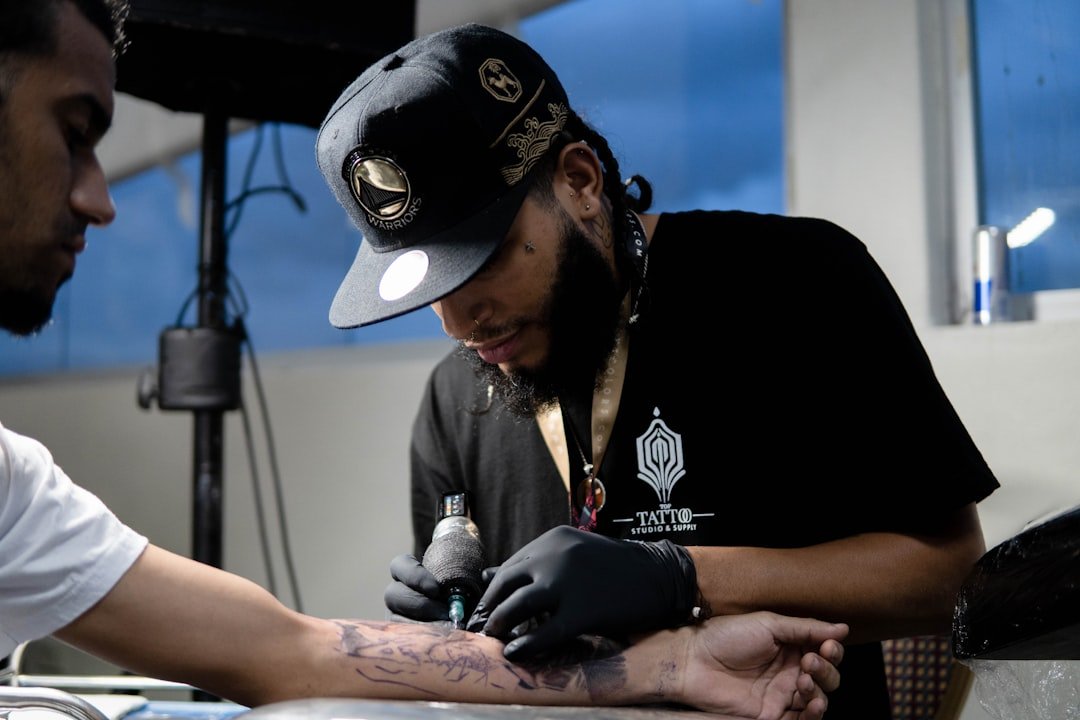
Photo by Siednji Leon on Unsplash
Next Steps on Your Fine Line Journey
You now have the foundational knowledge to approach fine line tattooing with confidence. Here's how to move forward:
This week: Start researching artists in your area. Create a folder of reference images that capture your desired aesthetic.
This month: Reach out to 2-3 artists whose work resonates with you. Book consultations to meet them and discuss your vision.
Before your appointment: Prepare your questions, gather your reference images, and arrange your aftercare supplies. Get plenty of sleep the night before and eat a solid meal beforehand.
After your tattoo: Follow aftercare instructions religiously for the first two weeks. Take photos throughout healing to document the process.
Long-term: Protect your investment with sunscreen and moisturizer. Plan touch-ups as needed to maintain your tattoo's crispness.
Ready to Explore More Tattoo Styles?
Fine line work is just one of many beautiful tattoo styles. Whether you're curious about watercolor tattoos, neo-traditional designs, or geometric patterns, we've got comprehensive guides to help you explore.
Browse Tattoo Style GuidesFrequently Asked Questions
Conclusion
Fine line tattoos offer a uniquely elegant approach to body art that has rightfully earned its place in the tattoo world. With their delicate aesthetics and understated beauty, they've opened the door for many people who never saw themselves getting tattooed.
The key takeaways to remember: invest in a skilled specialist artist, choose your placement wisely, maintain realistic expectations about aging, and commit to proper aftercare both immediately and long-term. Do these things, and you'll set yourself up for a fine line tattoo you'll love for years to come.
Yes, fine line tattoos require more maintenance than bold traditional work. Yes, they'll soften over time. But for many collectors, that gentle evolution is part of the charm—a tattoo that lives and breathes with you rather than remaining static.
Your body is your canvas, and the decision to add art to it is deeply personal. Take your time, do your research, and when you're ready, trust the process. Welcome to the fine line community—we think you're going to love it here.
Comments
No comments yet. Be the first to comment!
Leave a Comment